
TMJ / TMD Therapy
Botox for TMJ & Facial Pain
Therapeutic botulinum toxin injections can help reduce overactivity in the jaw muscles that contribute to clenching-related pain, tension headaches, and certain types of facial discomfort associated with temporomandibular disorders.
Therapeutic use for jaw and facial pain
Botulinum toxin type A (commonly known by the brand name Botox) is a purified protein that temporarily reduces muscle activity when placed in carefully selected sites. In a dental setting, it is used for therapeutic purposes: to ease hyperactive jaw muscles involved in clenching, grinding, and myofascial pain, rather than for cosmetic facial reshaping.
When the masseter, temporalis, or other masticatory muscles remain chronically tight, they can contribute to jaw soreness, temple headaches, facial pain, and limited comfort when chewing. Targeted injections may help interrupt that cycle so muscles can rest and symptoms can improve.
How treatment works
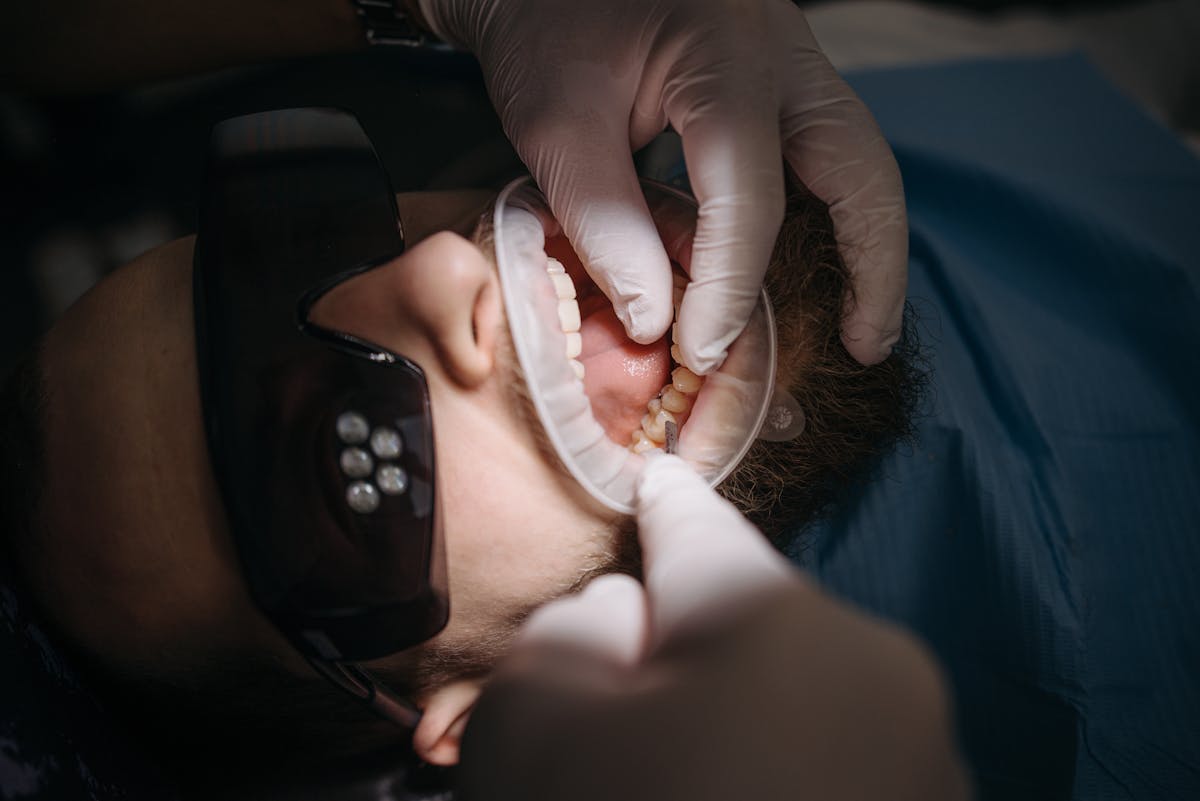
After a clinical assessment of your symptoms, bite, and muscle tenderness, small amounts of botulinum toxin are placed into specific jaw or facial muscle sites using a fine needle. The medication acts at the neuromuscular junction to reduce excessive contraction.
- Effects typically begin within several days and reach fuller effect over one to two weeks
- Symptom relief often lasts about three to four months, depending on the individual
- Treatment can be repeated if clinically appropriate and if you continue to benefit
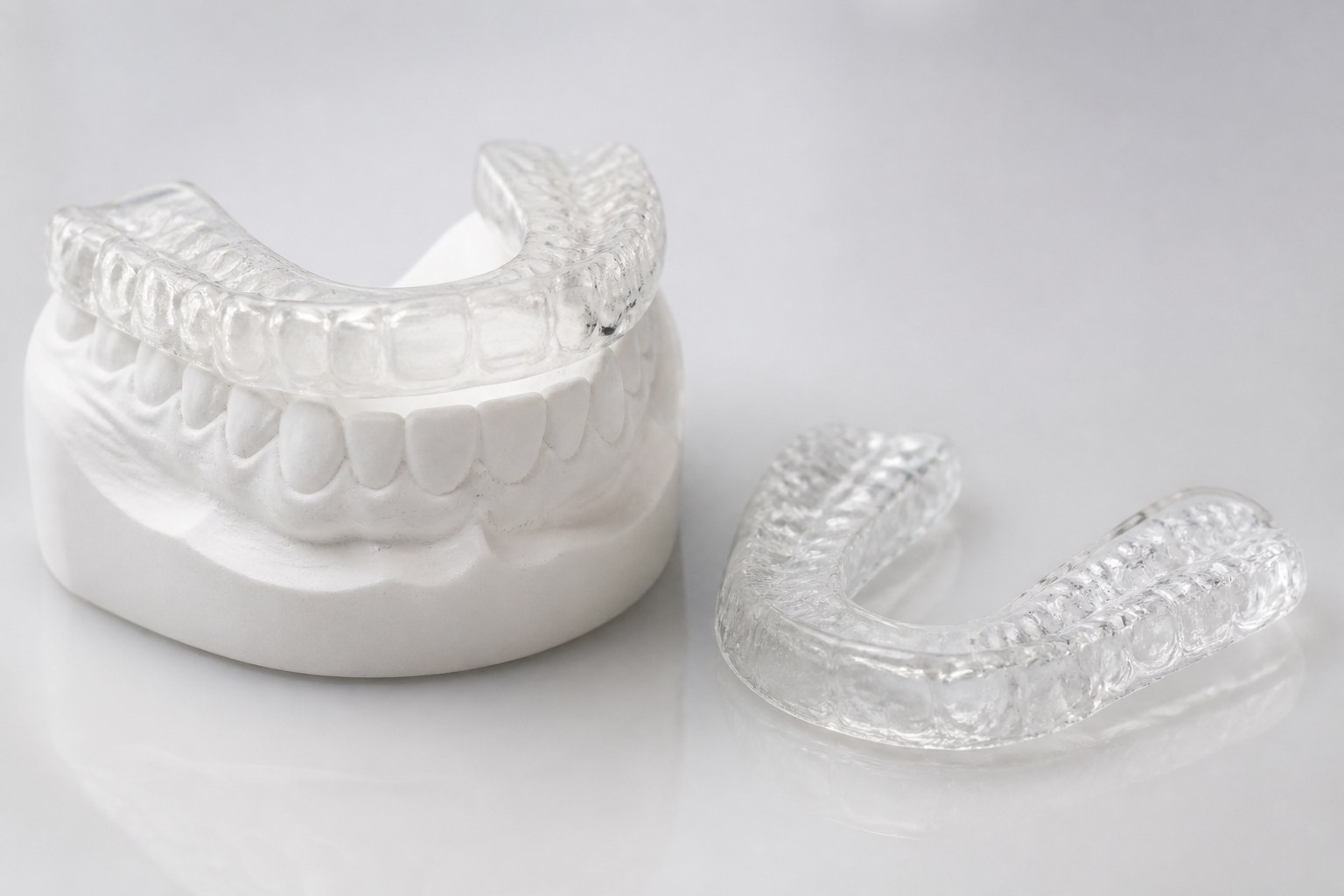
- It is often combined with other TMJ measures such as a night guard, bite evaluation, or physiotherapy referral
Who may be a candidate
Therapeutic botulinum toxin is considered when muscle-related TMJ symptoms persist despite conservative care, or when muscle hyperactivity is a clear contributor to pain. It is not appropriate for every patient or every type of jaw disorder.
- Chronic clenching or grinding with muscle pain — Patients whose symptoms are driven largely by overactive jaw muscles may respond well.
- Myofascial facial pain or tension-type headaches — Pain originating in the jaw and temple muscles can sometimes improve when those muscles are quieted.
- Limited response to appliances alone — When a night guard or other conservative measures have not provided enough relief, injections may be discussed as an adjunct.
- Clear diagnosis first — We assess the joint, bite, and medical history before recommending treatment so the approach matches the underlying problem.
What to expect at your visit
Your appointment begins with a review of symptoms and an examination of the jaw joints and muscles. If treatment is appropriate, injection sites are planned based on your anatomy and the pattern of muscle involvement.
Assessment and consent
We discuss goals, expected duration of effect, possible side effects, and alternatives such as occlusal appliances or referral. You will have an opportunity to ask questions before proceeding.
Injection appointment
The procedure itself is brief. Discomfort is usually mild and short-lived. Most patients return to normal daily activities afterward, with simple aftercare instructions provided.
Follow-up
We may schedule a review to assess your response and determine whether additional or ongoing treatment is warranted as part of a broader TMJ management plan.
Part of a broader TMJ approach
Botulinum toxin therapy addresses muscle overactivity; it does not replace evaluation of the joint, bite, or habits that may be contributing to your symptoms. Many patients do best when injections are combined with a custom night guard, stress-related habit awareness, or bite assessment when indicated.
If you are experiencing jaw pain, morning soreness, or facial muscle tension, call us to discuss whether a TMJ assessment—and whether therapeutic botulinum toxin—may be appropriate for you.
TMJ / TMD Therapy
- TMJ Diagnosis
- Custom Night Guards
- Bite Correction
- Botox for TMJ & Facial Pain
Have questions about your treatment?
Call 780.452.5700 or book an appointment.